
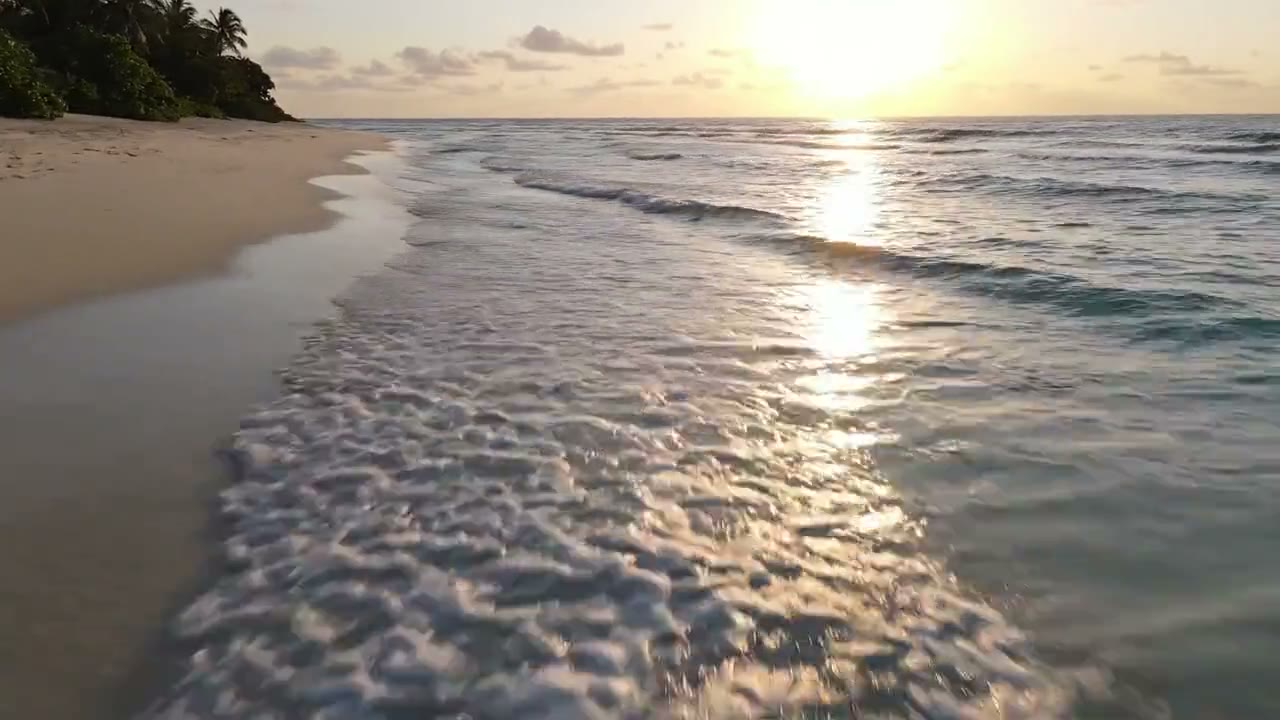
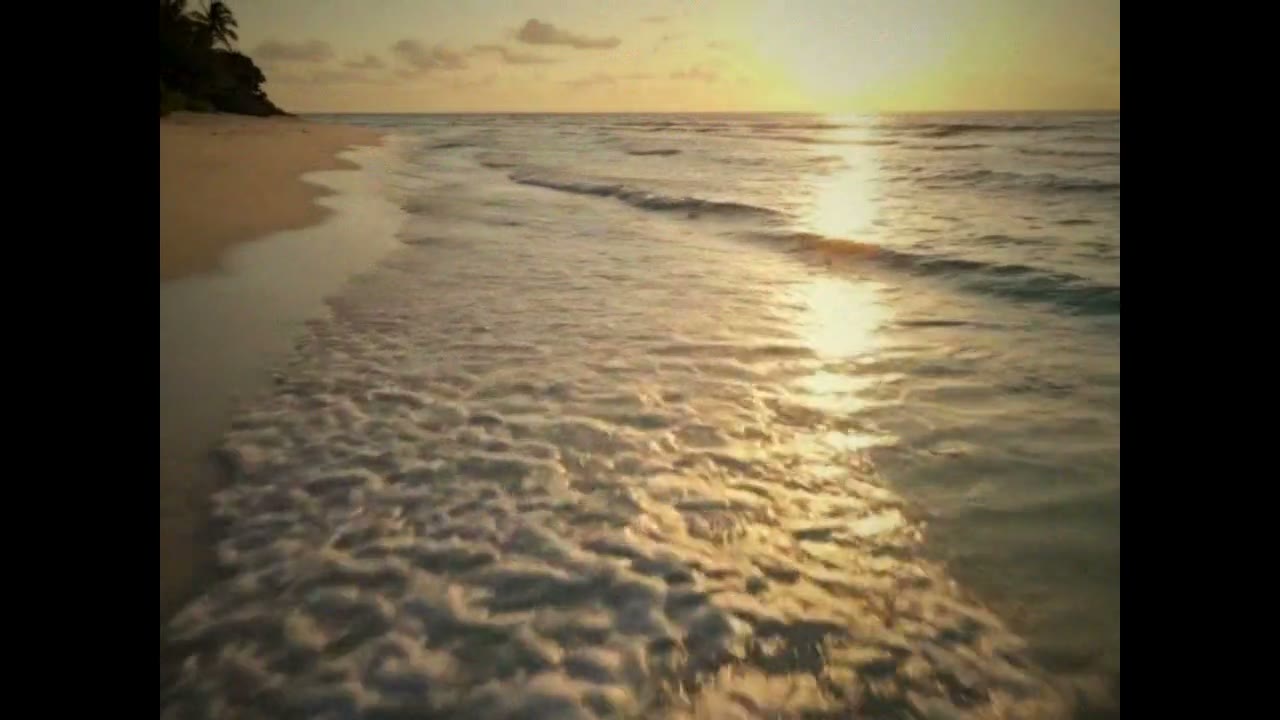
Super 8 effect. Old home movie grain and colour on your clip, free.
Drop in a clip or a picture, pick a camera, and it comes back grainy, warm and weaving in a 4:3 gate in your chat. It runs on Treza's FFmpeg node, which costs nothing.
Look
Free. It lands in your chat.
Everything on this page was made on Treza. See pricing
The same cameras on other footage
Each one is the FFmpeg node's own output, from the same command the button sends.
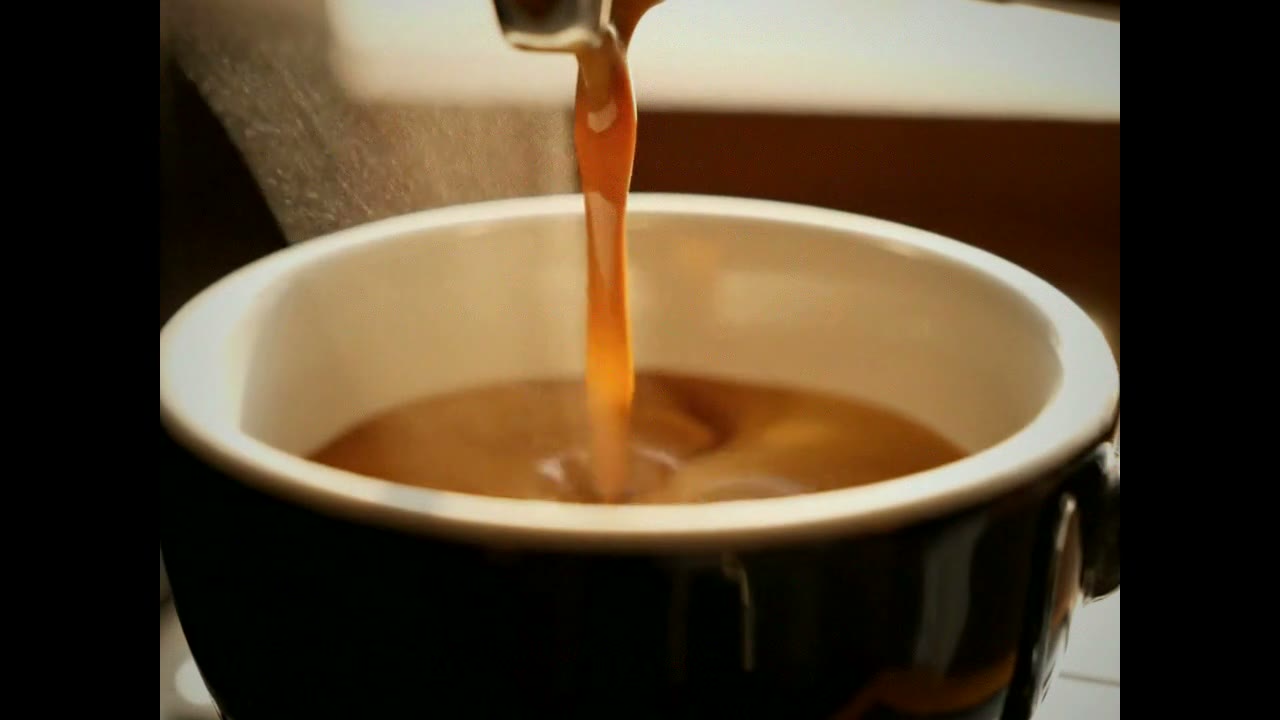
16 mm in a kitchen
A morning pour, fine grain.
FFmpeg node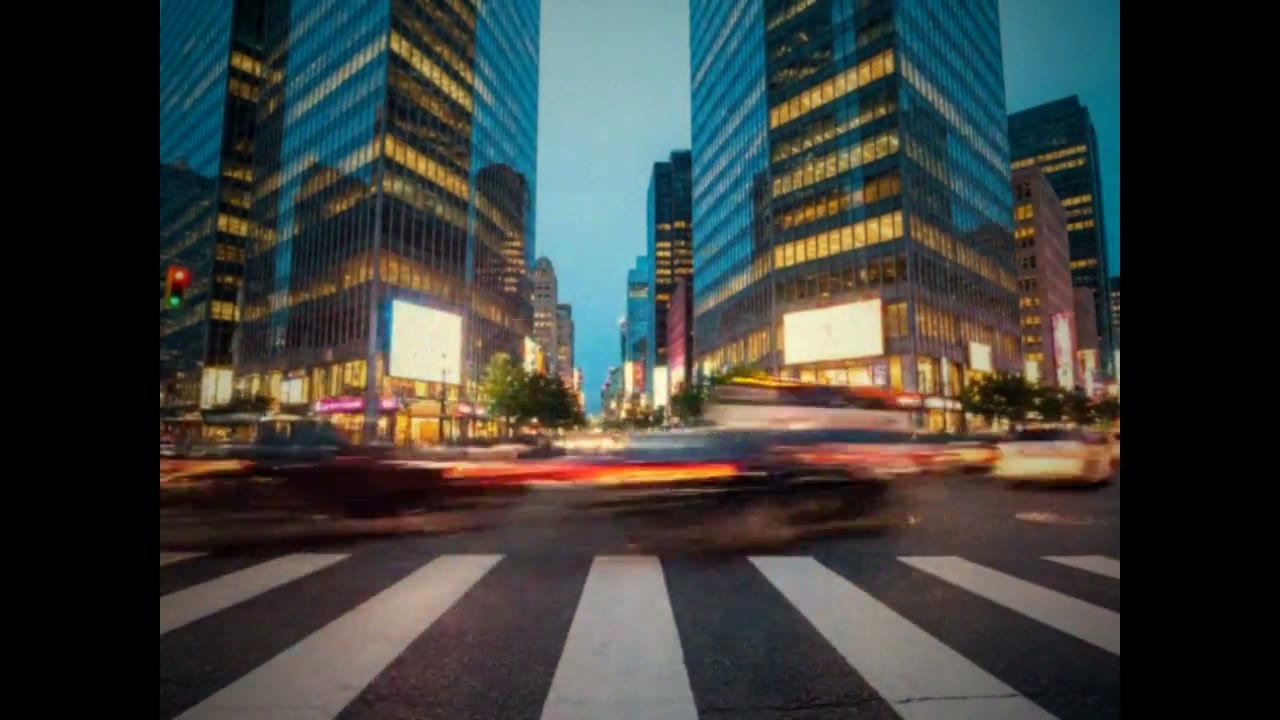
Super 8 on a city street
Traffic and towers, home movie style.
FFmpeg node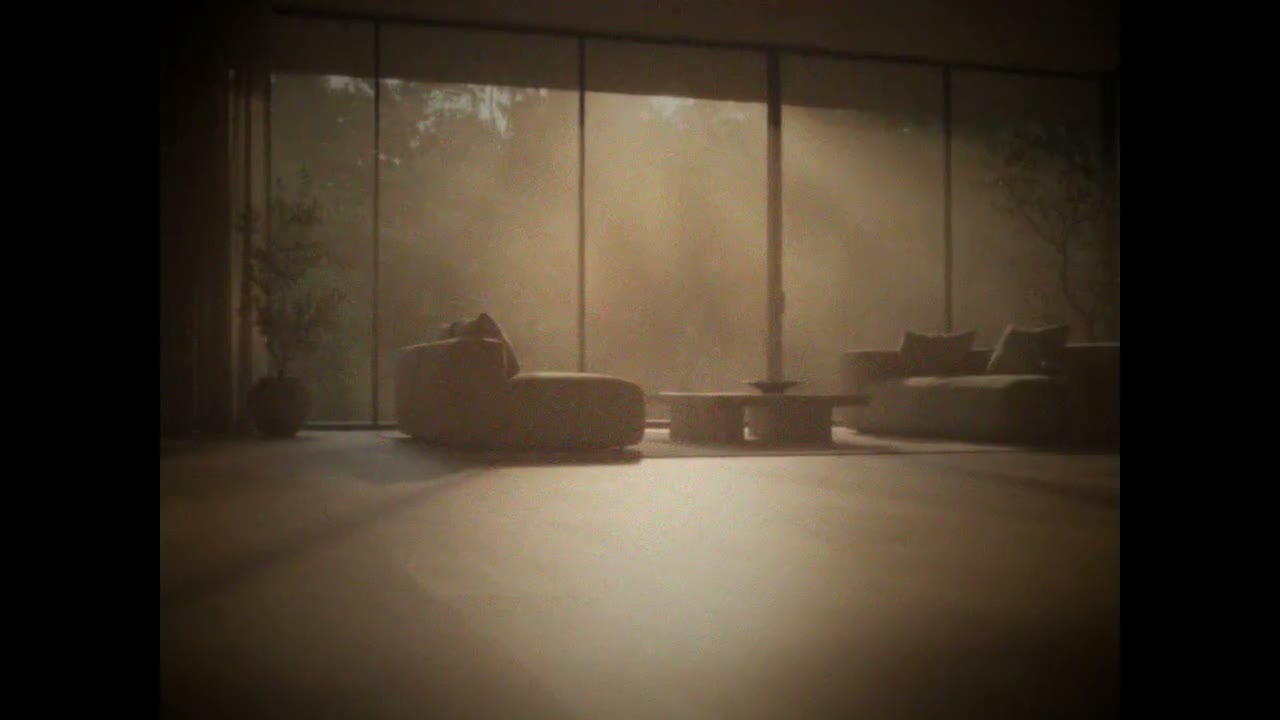
Faded reel in a room
Window light, washed out.
FFmpeg nodeHow it works
- 01
Drop in a clip or a picture
Any video or photo from a phone or a camera. No footage? Switch to "Make it for me" and write one line about the shot.
- 02
Pick a camera
Super 8, 16 mm or faded reel. Every preview on this page is real output of the command your file gets.
- 03
Sign in and it runs
Google sign-in, then the finished file appears in your chat, usually within a couple of minutes. Free: the FFmpeg node costs nothing.
What the button sends
Each camera is one FFmpeg filter chain, run by Treza's FFmpeg node on your file: the frame rate dropped, the picture weaved a few pixels in a 4:3 gate, graded, grained and vignetted.
- Super 8
scale='if(gte(iw,ih),-2,720)':'if(gte(iw,ih),720,-2)',fps=18,crop=iw-16:ih-16:x='8+3*sin(2*PI*t*1.3)+2*sin(2*PI*t*3.7)':y='8+3*sin(2*PI*t*0.9+1)+2*sin(2*PI*t*4.3)',scale=iw+16:ih+16,curves=r='0/0.05 0.5/0.58 1/1':g='0/0.04 0.5/0.53 1/0.97':b='0/0.08 0.5/0.47 1/0.88',eq=saturation=1.25:contrast=1.05,gblur=sigma=1.2,noise=alls=16:allf=t+u,vignette=angle=PI/5,eq=brightness='0.025*sin(2*PI*t*7)+0.015*sin(2*PI*t*13)':eval=frame,drawbox=x='if(gt(ceil((iw-ih*4/3)/4)*2,0),0,-iw)':y=0:w='max(ceil((iw-ih*4/3)/4)*2,2)':h=ih:color=black:t=fill,drawbox=x='if(gt(ceil((iw-ih*4/3)/4)*2,0),iw-ceil((iw-ih*4/3)/4)*2,iw)':y=0:w='max(ceil((iw-ih*4/3)/4)*2,2)':h=ih:color=black:t=fill- 16 mm
scale='if(gte(iw,ih),-2,720)':'if(gte(iw,ih),720,-2)',fps=24,crop=iw-8:ih-8:x='4+1*sin(2*PI*t*1.3)+1*sin(2*PI*t*3.7)':y='4+1*sin(2*PI*t*0.9+1)+1*sin(2*PI*t*4.3)',scale=iw+8:ih+8,curves=r='0/0.03 0.5/0.51 1/0.97':g='0/0.03 0.5/0.5 1/0.96':b='0/0.04 0.5/0.49 1/0.95',eq=saturation=0.92:contrast=1.08,gblur=sigma=0.6,noise=alls=10:allf=t+u,vignette=angle=PI/6,drawbox=x='if(gt(ceil((iw-ih*4/3)/4)*2,0),0,-iw)':y=0:w='max(ceil((iw-ih*4/3)/4)*2,2)':h=ih:color=black:t=fill,drawbox=x='if(gt(ceil((iw-ih*4/3)/4)*2,0),iw-ceil((iw-ih*4/3)/4)*2,iw)':y=0:w='max(ceil((iw-ih*4/3)/4)*2,2)':h=ih:color=black:t=fill- Faded reel
scale='if(gte(iw,ih),-2,720)':'if(gte(iw,ih),720,-2)',fps=18,crop=iw-16:ih-16:x='8+3*sin(2*PI*t*1.3)+2*sin(2*PI*t*3.7)':y='8+3*sin(2*PI*t*0.9+1)+2*sin(2*PI*t*4.3)',scale=iw+16:ih+16,curves=r='0/0.12 0.5/0.6 1/0.96':g='0/0.08 0.5/0.5 1/0.9':b='0/0.1 0.5/0.46 1/0.84',eq=saturation=0.75:contrast=0.92,gblur=sigma=1.5,noise=alls=20:allf=t+u,vignette=angle=PI/3.5,eq=brightness='0.04*sin(2*PI*t*7)+0.024*sin(2*PI*t*13)':eval=frame,drawbox=x='if(gt(ceil((iw-ih*4/3)/4)*2,0),0,-iw)':y=0:w='max(ceil((iw-ih*4/3)/4)*2,2)':h=ih:color=black:t=fill,drawbox=x='if(gt(ceil((iw-ih*4/3)/4)*2,0),iw-ceil((iw-ih*4/3)/4)*2,iw)':y=0:w='max(ceil((iw-ih*4/3)/4)*2,2)':h=ih:color=black:t=fill
For a video the chain goes into -i {input} -vf "<chain>,format=yuv420p" -c:v libx264 -crf 20 -preset medium -c:a aac -b:a 192k -movflags +faststart {output}; a picture comes back as a JPEG. The sound is carried through.
Super 8 effect, answered
Is the Super 8 effect on Treza free?
Yes. It runs on the FFmpeg node, which costs nothing; an account with no credits can run it ten times a day. Having the footage generated instead of uploading it is priced like any clip, about $0.28 for a four second one.
What makes a video look like Super 8?
A lower frame rate, heavy grain, warm colour, dark corners, and a picture that drifts and flickers in a 4:3 frame. Super 8 and Faded reel drop the clip to 18 frames a second, add moving grain, weave the picture a few pixels, pulse the brightness and put black bars at the sides.
What is the difference between Super 8 and 16 mm?
16 mm is the bigger, cleaner gauge. Here it plays at 24 frames a second with finer grain, colour close to your original, a lighter vignette and only a slight drift, and no flicker.
Does it keep the sound?
Yes. A video comes back as an MP4 at the same length with its sound carried through unchanged. A picture gets the same look and comes back as a JPEG.
What happens with a vertical clip?
It keeps its own frame. The black bars only go on a frame wider than 4:3, so a vertical or square clip gets the grain, colour, weave and flicker with no bars.
What size does it come back at?
720 pixels on the short side, so 1080p and 4K come back at 720p, and a vertical phone clip at 720 by 1280. That keeps the grain the same size on every file.
What formats and sizes can I upload?
MP4, MOV, WebM and the usual phone formats, and JPEG, PNG or WebP for pictures. Keep a file under 25 MB here; longer footage can be uploaded in chat directly.
Your first video is one prompt away.
Generate your first video, image, or draft today. Prepaid credits, no subscription.