


Wan 2.7 vs Seedance 2.5: The One You Can Quote and the One That Runs Long
One of these models publishes a flat ten cents per second and renders 1080p from a photo of a real person. The other runs thirty seconds in a single take, bills in opaque tokens, and is our default. Neither is the upgrade of the other.

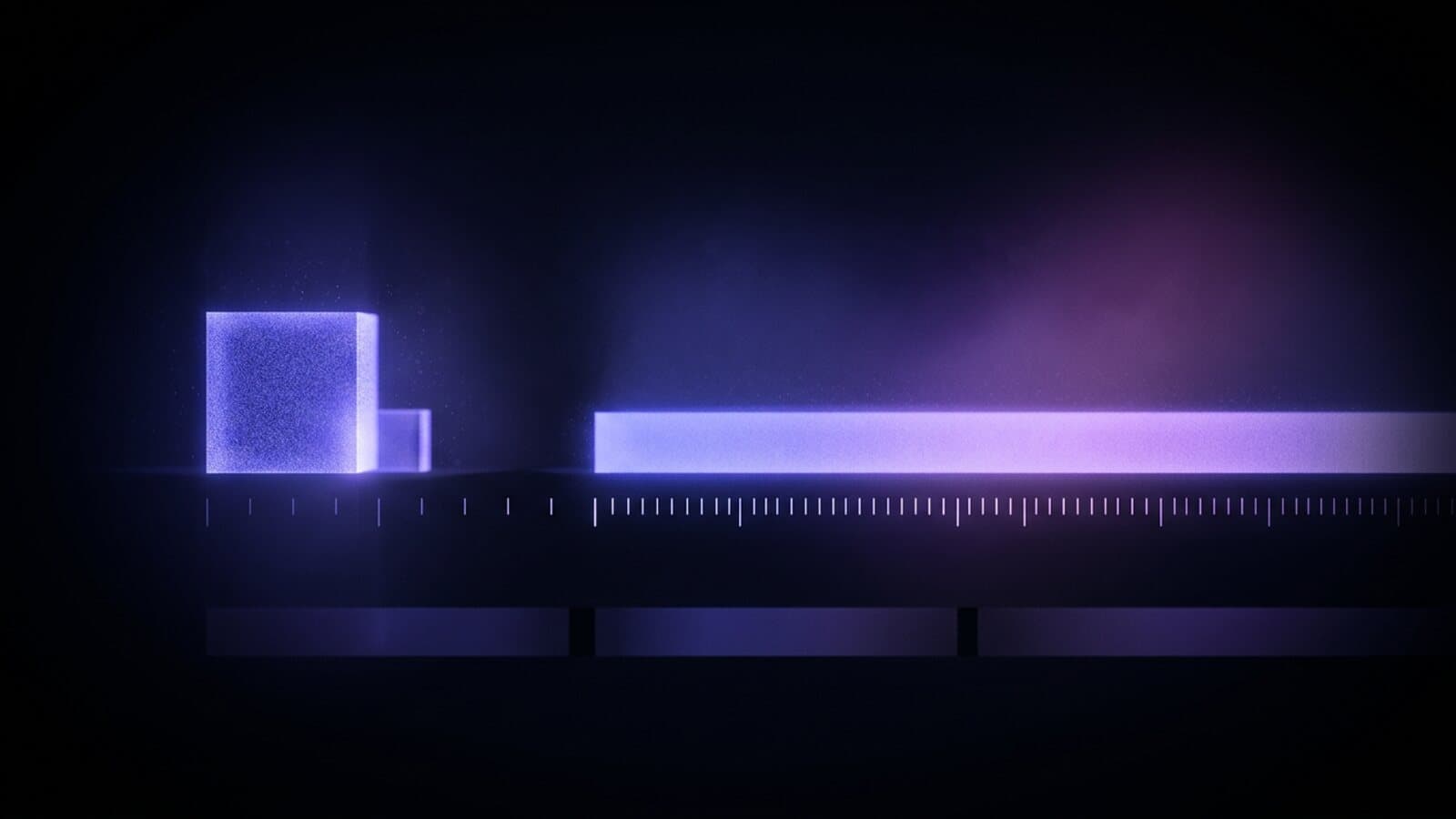
Seedance 2.5 is the default video model on Treza. Wan 2.7 costs less than half as much per second, outputs a higher resolution, and accepts reference images that Seedance rejects. It also stops at ten seconds, which is the reason it is not the default.
This is a parameter and cost comparison only. Every spec below is read off Treza's video model catalog as of September 2026, and every price is either published by the provider or measured from our own invoices.
The short version
- Wan 2.7 is the everyday model. Two to ten seconds, up to 1080p, native audio, first and last frame keyframes, reference images including recognizable real people, and a flat published rate of ten cents per second of output at either resolution.
- Seedance 2.5 is the long-take model. Any exact duration from four to thirty seconds, six aspect ratios including 21:9, native audio at no rate change, keyframes at both ends. It tops out at 720p, it does not accept reference images, and it measures at roughly twenty-five cents per second.
If your shots are short and your subject has to stay recognizable, Wan 2.7 is the cheaper and the more capable pick. If one shot has to carry a whole narration line, only Seedance can do it.
Parameter comparison
| Wan 2.7 | Seedance 2.5 | |
|---|---|---|
| Clip length | 2 to 10 seconds, exact | 4 to 30 seconds, exact |
| Resolutions | 720p, 1080p | 480p, 720p |
| Aspect ratios | 5 | 6 (adds 21:9) |
| Keyframes | First and last frame | First and last frame |
| Reference images | Yes, including real people | No |
| Native audio | Yes, can be disabled | Yes, no rate change |
| Provider rate per second | $0.10, published flat | ~$0.25, measured |
| Default model on Treza | No | Yes |
Three of those rows decide almost every real choice.
One of these prices is quotable and the other had to be measured
Wan 2.7 publishes a single per-second SKU: ten cents per second of output, and it does not change with resolution. A ten second clip is one dollar of provider cost whether you render it at 720p or 1080p. That is unusual here, where the higher resolution is normally the dearer one, so there is no reason to draft below Wan's ceiling.
Seedance bills in ByteDance's opaque video_tokens, and token counts scale with pixels and seconds, so the published SKU does not translate into a price anyone can quote in advance. The only honest way to price it is to run it and read the invoice, which we did because our credit gate has to reserve before a run starts. It measured at roughly twenty-five cents per second, and that is the rate the estimator holds.
So a ten second shot is one dollar of provider cost on Wan 2.7 against two dollars fifty on Seedance 2.5. Reserves are holds rather than prices. Runs settle at actual provider cost plus markup, the difference returns to your balance, and failed runs cost nothing. On Wan 2.7 the hold and the settled cost are the same number because the rate is flat. On Seedance 2.5 the hold is rounded up on purpose, so the gate over-collects rather than starting a run a balance cannot finish.
For what a finished video costs once narration, transcription, and captions are in the graph, see the full cost breakdown. A typical single video generation settles around $1.06.
Length is the reason Seedance is the default
Seedance 2.5 renders any exact duration from four to thirty seconds in one generation. That matters more than it sounds. A pipeline writes a narration line, sends it to text to speech, and gets back an audio clip of some specific, awkward length. If the video model offers only fixed steps, the writing gets cut to fit the model. If it offers exact seconds up to thirty, the shot matches the line.
Wan 2.7 caps at ten seconds. You can still build a long piece from it, because a Sequence node stitches up to twelve shots, so three Wan clips cover thirty seconds for three dollars of provider cost against Seedance's seven fifty. That is genuinely cheaper. What it costs you is two cuts to justify and three prompts that have to agree on lighting and framing. Often the cuts are what you wanted anyway. For one continuous move through a space, they are not.
Wan 2.7 owns the other end of the range. It renders two and three second clips, which Seedance 2.5 cannot: its floor is four. For reaction inserts and short beats in an edit, that saves real money, since a two second Wan clip is twenty cents of provider cost.
Reference images are the thing Wan 2.7 has and Seedance 2.5 does not
The video API exposes two separate ways to feed images into a generation, and they get confused constantly.
frame_images pins an exact first or last frame. Both models support both ends, so either can open on your logo art and land on your product shot.
input_references passes images as subject, style, or identity guidance rather than as literal frames, which is what keeps a product or a character recognizable across separate generations. Wan 2.7 accepts them. Seedance 2.5 does not, and falls back to keyframes.
There is a second layer to this that costs people runs. Providers moderate reference images differently, and Seedance rejects photographs containing recognizable real people. Wan 2.7 accepts them, which is why it is the standing alternative on Treza for people-led work: founder content, team clips, creator footage built from a portrait. When a Seedance node refuses an image on those grounds, the pipeline error names alibaba/wan-2.7 explicitly rather than leaving you to guess. Our UGC ad page carries the same warning.
If a product or a person has to stay consistent shot to shot, that single row settles it before price or length get a vote.
The resolution ceilings cross over
Wan 2.7 renders at 720p or 1080p. Seedance 2.5 renders at 480p or 720p. The two models overlap at exactly one resolution, and the cheaper model is the one with the higher ceiling.
For phone-first vertical content this rarely decides anything. It decides a lot when the asset is shown large: a site hero, a paid placement, anything on a desktop screen. Wan 2.7 at 1080p covers most of that for no premium, and if you need more, Veo 3.1 goes to 4K. On the canvas that switch is one dropdown on the video node and nothing else in the graph changes.
Seedance keeps one format Wan does not have at all: 21:9 ultrawide. If that is the placement, the choice is made for you.
How to actually use both
The pattern our own pipelines follow:
- Draft on Wan 2.7 at 720p. At ten cents a second, running several prompt variants is not a budget decision.
- Kill the framings that do not work. This is where the money is saved, because the long model never sees a prompt nobody has looked at.
- If the keeper fits inside ten seconds, finish it on Wan 2.7 at 1080p. The rate does not change, so the resolution is free.
- If it has to run longer in one continuous take, render it on Seedance 2.5 at the exact length the narration needs, audio on, since that costs nothing extra there.
- If a subject has to stay recognizable across shots, stay on Wan 2.7 and use reference images. The alternative does not have them.
Both models are one dropdown apart on the same node, and the AI video generator exposes the same catalog as the canvas, so testing a swap takes a minute rather than a migration. Everything downstream, narration, captions, stitching, publishing, is the same graph either way in an AI video pipeline. For short-form, where a 9:16 crop and a 720p target remove most of what separates these two, the shorts generator is the faster start.
What we are not claiming
We have not benchmarked prompt adherence, motion quality, or physical plausibility between these two models, and this post does not rank them on any of it. Everything above is either a catalog parameter or a measured or published cost.
Frequently Asked Questions
Is Seedance 2.5 better than Wan 2.7?
Not as a general statement. Seedance 2.5 renders far longer single takes, up to thirty seconds against ten, and adds 21:9 ultrawide, which is why it is our default. Wan 2.7 costs less than half as much per second, reaches 1080p where Seedance stops at 720p, goes down to two second clips, and accepts reference images including photos of real people. They are different tools, and many pipelines use both.
Which is cheaper, Wan 2.7 or Seedance 2.5?
Wan 2.7, by a wide margin. It publishes a flat ten cents per second at either resolution, so a ten second clip is one dollar of provider cost and the number does not move. Seedance 2.5 bills in opaque video tokens and measures at roughly twenty-five cents per second, so the same ten seconds reserves two dollars fifty. Runs settle at actual cost plus markup and failed runs cost nothing.
Can Wan 2.7 use a photo of a real person?
Yes. Wan 2.7 accepts reference images containing recognizable real people and carries the likeness into the clip. Seedance rejects those images at moderation, and when it does, the pipeline error names Wan 2.7 as the model to retry on. Note that this is reference-guided generation from a photo, not an avatar and not voice cloning, neither of which Treza offers.
How long can Wan 2.7 clips be?
Two to ten seconds per generation, at any exact second in that range. Seedance 2.5 covers four to thirty. For anything longer, a Sequence node stitches up to twelve shots into one video, which is cheaper than a long Seedance take but leaves you cuts to justify.
Does Wan 2.7 generate sound?
Yes. Ambience and effects are generated natively with the clip, and audio can be disabled per generation if you are scoring the video yourself. Seedance 2.5 also generates audio natively, at the same published rate whether audio is on or off.
What resolution does each model output?
Wan 2.7 renders 720p or 1080p. Seedance 2.5 renders 480p or 720p. They overlap only at 720p, and the cheaper of the two is the one that reaches higher. If you need more than 1080p, Veo 3.1 goes to 4K and switching is one dropdown on the video node.